
Your Simple Guide to eSIM Data Plans for Travel and Everyday Use
eSIM data plans are the easiest way to get online abroad without swapping a physical SIM card. You simply scan a QR code or download a profile, and your phone instantly connects to a local network, using data from a plan you bought online in minutes. Because everything is digital, you can switch between carriers or add extra data on the fly, all from your settings app. No hunting for a store, no tiny trays to fiddle with—just pick a plan, activate it, and your device handles the rest.
What Exactly Is an eSIM Data Plan and How Does It Work?
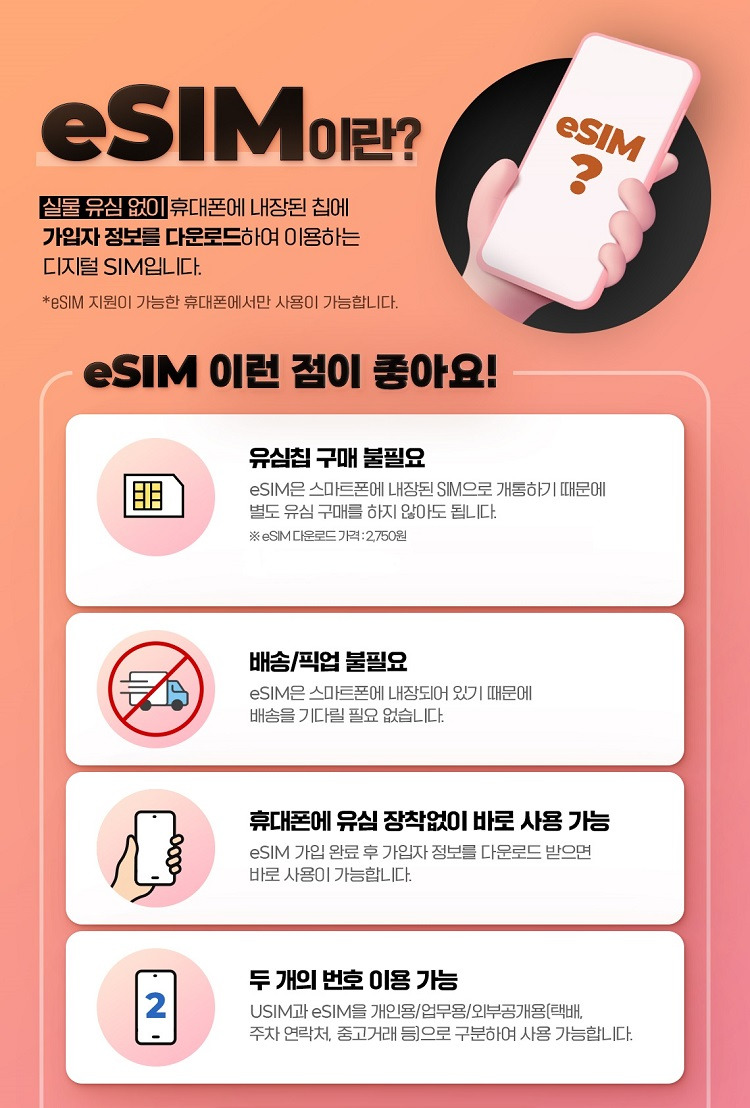
An eSIM data plan is a digital profile embedded directly into your smartphone or tablet, replacing the need for a physical SIM card. You purchase a plan from a carrier or travel provider, receive a QR code or activation link, and scan it to download the profile onto your device’s chip. This profile contains your network credentials, allowing your device to authenticate with the carrier’s towers instantly. Once active, your phone switches between cellular data and Wi-Fi seamlessly, using the allocated data allowance exactly like a traditional plan. You manage multiple profiles (e.g., home and travel) in your device settings, switching between them with a tap. Because there’s no physical card to swap, setup takes minutes, and your original number remains untouched. How it works is simple: your device’s eSIM hardware stores encrypted keys, and each plan you install is a separate virtual SIM, giving you flexibility to add, pause, or delete data plans at will—all without visiting a store or waiting for delivery.
The Difference Between a Physical SIM and an Embedded SIM
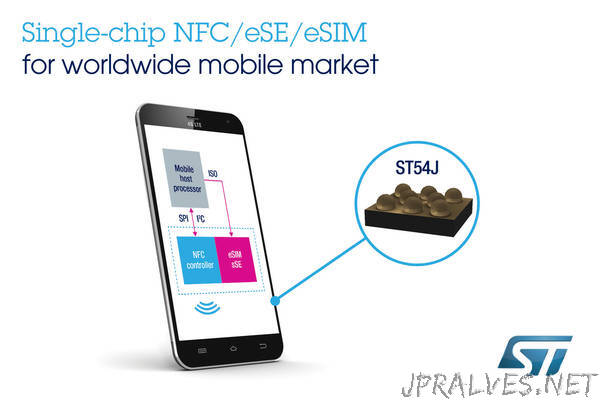
A physical SIM is a removable plastic card you swap between devices, while an embedded SIM (eSIM) is soldered directly into your phone, tablet, or smartwatch. With a physical SIM, changing carriers means hunting for a tiny tray and waiting for a new card to arrive. An eSIM, however, lets you download a new data plan in minutes—no hardware swap needed. This makes switching profiles or adding a second line for travel instant. The biggest practical edge is seamless multi-profile management: you can store several eSIMs on one device and toggle between them digitally, whereas a physical SIM limits you to one active card unless you carry extras.
- Physical SIMs require manual insertion and removal; eSIMs are activated via QR code or app.
- eSIMs free up the SIM slot for additional storage or a second physical SIM in dual-SIM phones.
- Losing a physical SIM means replacing it physically; an eSIM can be re-downloaded remotely.

How Data Gets Delivered to Your Phone Without a Plastic Card

When you activate an eSIM data plan, data is delivered to your phone without a plastic card by downloading a digital profile directly onto the device’s embedded SIM chip. The carrier sends a QR code or activation link; scanning it securely writes your unique subscriber credentials into the phone’s eSIM hardware. After installation, the phone connects to local cellular towers using that stored profile, negotiating data access just like a physical SIM would. Roaming data delivery works the same way, but the eSIM profile automatically selects a partner network in your destination without you swapping cards. Updates to your data allowance are pushed over-the-air, adjusting the profile in real time.
Data flows to your phone because the eSIM profile—downloaded via QR or link—authenticates with towers digitally, eliminating any need for a physical card.
Which Devices Support This Type of Connectivity
Most modern smartphones—especially flagships from Apple, Google, and Samsung—natively support eSIM, so you can activate a data plan without fumbling with a physical SIM tray. Your device needs to be carrier-unlocked or at least compatible with the eSIM profile your provider sends. Beyond phones, which devices support this type of connectivity also includes cellular iPads, Apple Watches (with cellular models), and many newer Windows laptops. Android tablets and some Chromebooks are also jumping in. However, older budget phones and most IoT gadgets often lack the hardware. Before buying a plan, check your device’s settings under “Cellular” or “Mobile Data”—if you see “Add eSIM,” you’re good to go.
- iPhones from the XS/XR generation onward (except some SE models) support eSIM.
- Google Pixel 3 and newer models handle eSIM, though older ones may be limited to specific carriers.
- Samsung Galaxy S20 and later, plus Z Fold/Flip series, work with eSIM on most networks.
- Cellular Apple Watch models and iPad Pro/Air (cellular versions) use eSIM for standalone data.
How Do You Set Up and Activate a Digital Data Plan?
To set up an eSIM data plan, first ensure your smartphone is carrier-unlocked and supports eSIM functionality. Purchase a digital data plan from a provider’s website or app, then receive a QR code or activation code via email. On your device, navigate to cellular settings and select “Add eSIM” or “Add Data Plan.” Scan the QR code or manually enter the activation details. After the profile downloads, assign it as your primary data line or a secondary line for travel. Toggle the line on and ensure data roaming is enabled if you are abroad. Activation typically completes within minutes, but requires a stable Wi-Fi or existing cellular connection to download the profile. Finally, restart your phone and test connectivity by loading a webpage. Your eSIM plan is now active and ready for use. Remove the plan anytime via the same settings menu.
Scanning a QR Code vs. Manual Activation: Step-by-Step
For eSIM setup, QR code activation is the faster default: you scan the carrier-provided code from your confirmation email, and the profile installs automatically. Manual activation is the fallback when scanning fails—you must locate the SM-DP+ address and activation code in your account dashboard, then enter them exactly under “Add Cellular Plan.” QR scanning takes under a minute and eliminates transcription errors; manual entry risks typos in long alphanumeric strings, which trigger re-installation loops. However, QR codes expire after a set period (often 24–72 hours), while manual credentials remain valid longer. If your device lacks a camera, manual entry is the only route, but it requires careful copy-paste from a separate screen.
Scan QR for speed; switch to manual entry only if the code expires or your camera fails.
Installing Multiple Profiles and Switching Between Them
Most devices let you store several eSIM profiles at once, yet only one can be active for cellular data at a time. To install another, scan the QR code or enter the activation code from your provider; it saves alongside existing profiles. Switching is done in Settings under Cellular or Mobile Data—tap the profile you want, then toggle it on, which automatically disables the previous one. For travel, keep your home profile installed but turned off to avoid roaming charges. This hands-on control means you can **manage multiple eSIM profiles for instant network switching** without swapping physical cards, making your plan adaptable to any destination in seconds.
What to Do If Your Activation Fails or the Network Doesn’t Connect
If your eSIM activation fails, first verify that your device is unlocked and running a compatible operating system version. Restart your phone, then re-scan the QR code or manually enter the activation code from your provider’s confirmation email. For network connection issues, toggle Airplane Mode on for 30 seconds, then off, and manually select your carrier under Cellular Network settings. If no signal appears, reset your network settings—this does not delete your eSIM profile. Confirm your data plan’s start date hasn’t been scheduled for a future time. Contact your provider’s support with your eSIM ICCID, not your phone number, for a remote re-provisioning. Troubleshooting activation failures typically resolves with a fresh scan or a provider-side profile push.
Retry the activation scan, restart the device, toggle network settings, and request a remote re-push from your provider to resolve failed eSIM activation or missing connectivity.
What Are the Real Benefits of Going With a SIM-Free Data Package?
The real benefit of a SIM-free data package hits you the moment you land abroad without juggling tiny trays. With an eSIM data plan, you skip the physical card entirely, activating a local or global profile in minutes through a simple QR scan. This means no hunting for airport kiosks or carrying a spare SIM that might get lost. Instead of paying roaming markups, you download a data-only package tailored to your trip length, then switch between carriers on the fly if coverage weakens. For frequent travelers, the freedom is tangible: your primary number stays active for calls and texts while the eSIM handles internet, so you never need to swap cards again. That independence—keeping your device sealed and your options open—is the genuine advantage of going SIM-free. It transforms connectivity from a logistical headache into an instant, flexible tool.
Keeping Your Home Number Active While Using a Local Network Abroad
Keeping your home number active while using a local network abroad is one of the biggest perks of an eSIM data plan. Instead of swapping your physical SIM, you simply add a data-only local eSIM, leaving your primary line untouched. This means your usual number stays on for SMS verification codes, banking alerts, and calls over Wi-Fi, all without paying roaming charges for data. To make it work smoothly, just enable the local eSIM for cellular data, keep your home line for voice/text, and turn off data roaming on that primary line. You’ll avoid surprise bills while still staying reachable on your existing $1 eSIM number for essential two-factor authentication. Simply toggle data to the local eSIM, disable roaming on your home profile, and use Wi-Fi calling if needed—three quick steps to seamless connectivity.
Avoiding Roaming Charges Without Needing a New Physical Card
The biggest practical win of a SIM-free data package is dodging roaming fees the moment you land, without hunting for a physical SIM. You install an eSIM profile before departure, so your phone connects to a local network instantly, bypassing your carrier’s inflated daily charges. No more swapping cards in an airport bathroom or risking losing your original SIM. Instead, you toggle your data plan in settings, and your existing number stays active for calls. This makes travel seamless. Avoiding roaming charges without needing a new physical card means you retain full control, paying a flat local rate from day one.
Q: How do I avoid roaming fees if my eSIM fails to activate abroad?
A: Pre-download the profile and check your carrier’s coverage map in advance, then switch your data line in settings as soon as you land—no physical swap ever required.
How Instant Setup and Immediate Coverage Simplify Travel
Instant setup eliminates the need to hunt for physical SIM cards upon arrival, as the eSIM activates the moment you land, often before you step off the plane. This immediate coverage means you can navigate transit, message family, or book a ride without waiting for airport Wi-Fi or a store to open. Instead of fumbling with tray ejector tools in a foreign terminal, you simply switch the data plan on in your phone’s settings. This seamless activation removes travel friction by ensuring connectivity is available from the first minute, letting you focus on your itinerary rather than logistics. Even if your flight lands early, the instant coverage is already live, ready for use.
Q: How does instant setup simplify travel?
A: It removes the need to find a local shop or café for Wi-Fi; your data works immediately, so you can get directions or check hotel check-in times right away.
How to Choose the Right Data Package for Your Trip or Daily Use
Choosing the right eSIM data plan starts with calculating your actual consumption. For trips, estimate daily usage by counting navigation hours, social media scrolling, and messaging apps—most travelers need between 1GB and 3GB per day. For daily use, analyze last month’s bill to spot your baseline, then add a 20% buffer. Evaluate the plan’s validity window; a 30-day package works for long stays, while a 7-day option suits short hops. Always check if the data package covers your destination country or region, as regional plans often beat single-country ones in price. Prioritize plans with a hard cap rather than speed throttling, since unpredictable slowdowns ruin video calls or map loading. Finally, read the fine print on tethering allowances and top-up options—flexibility to add data mid-trip beats overpaying upfront.
Determining How Much Data You Actually Need Based on Your Habits
To determine your eSIM data requirement, first audit your daily digital routine. If you primarily use messaging apps, maps, and light web browsing, a **1GB-per-week baseline** often suffices, especially when you preload offline maps. Heavy streamers of video or frequent social-media scrollers should calculate roughly 1GB per hour of HD streaming, so a short trip might demand 5–10GB. For daily commuters, track your last month’s phone bill; if you exceed 4GB, choose a 6GB–10GB eSIM plan to include buffer. Conversely, if you only check email and use Wi-Fi at hotels, a 1GB–3GB plan prevents waste. Always overestimate by 20% for unexpected navigation or photo backups.
Comparing Pay-As-You-Go Options Against Fixed-Duration Plans
When choosing between pay-as-you-go and fixed-duration eSIMs, think about how predictable your usage really is. A **fixed-duration plan** shines for trips with a known length, like a 10-day vacation, where you prepay for a set data pool and never stress about daily overages. Pay-as-you-go options, however, are perfect for unpredictable daily use, like working remotely across multiple cities, since you only buy top-ups when you actually run low. Fixed plans often give a better per-GB rate, but you lose unused data at expiry. Pay-as-you-go costs more per GB but offers total flexibility to pause or switch countries without burning money. Comparing pay-as-you-go flexibility against fixed-duration cost efficiency comes down to your schedule: locked dates favor fixed, open-ended roaming favors pay-as-you-go.
Q: Should I pick pay-as-you-go if my trip keeps changing?
A: Yes—if your dates or data needs shift, pay-as-you-go avoids wasting money on a fixed plan you can’t use fully.
Checking Coverage Maps and Network Speeds Before You Buy
Before committing to an eSIM data plan, cross-reference the provider’s coverage map against your exact destinations, not just country-level outlines, because rural routes or indoor venues often fall into dead zones. Validate expected real-world network speeds through independent user reports, since advertised 5G peaks rarely match congested urban conditions. Prioritize plans that specify the host network (e.g., Vodafone, T-Mobile) and check if speed is throttled after a soft data cap. For daily use, a 10 Mbps average suffices for navigation and messaging, while video calls demand 20+ Mbps. Always verify whether the map reflects roaming partner towers or native infrastructure, as the latter delivers lower latency and consistent throughput. A table clarifying typical speed thresholds aids this comparison:
| Activity | Minimum Speed | Ideal Speed |
|---|---|---|
| Maps | 1 Mbps | 5 Mbps |
| Streaming | 5 Mbps | 15 Mbps |
| Hotspot | 10 Mbps | 30 Mbps |
Recheck the map after purchase too, as coverage shifts seasonally.
Common Questions and Practical Tips for First-Time Users

First-time eSIM users often ask if their phone will stay unlocked—yes, eSIMs don’t lock your device, so you can switch carriers freely. To install, scan the QR code from your provider while on Wi-Fi; if it fails, manually enter the details under *Cellular* settings. Keep your primary physical SIM active for calls and texts, but disable data roaming on it to avoid surprise charges. A common mistake is buying a plan before checking your phone’s compatibility—verify IMEI support on the carrier’s site first. Install the eSIM *before* you travel, not at the airport, since you’ll need a stable connection. For troubleshooting, toggle airplane mode or restart—most activation glitches vanish instantly. However, not all “unlimited” plans are truly unlimited, so read the fair-use policy for speed caps. Finally, save your QR code screenshot in a password manager as a backup, but never share it publicly—someone could steal your profile. Start with a short 7-day plan to test coverage, then buy longer ones once you’re confident. Always download the provider’s app for real-time data tracking, as the phone’s native counter often lags.
Will an eSIM Drain Your Battery Faster Than a Regular SIM?
Will an eSIM drain your battery faster than a regular SIM? In most real-world usage, the difference is negligible. Both technologies use the same cellular radio hardware to connect to a network, and that radio is the primary battery consumer. The eSIM itself is a tiny, embedded chip that consumes virtually no power during idle operation. However, you may notice slightly faster drain if your device constantly scans for networks while you manage multiple active eSIM profiles for different data plans. To conserve power, disable unused eSIM lines in your settings. The sequence to minimize impact is:
- Open your device’s cellular settings.
- Turn off any eSIM profile you are not currently using for data.
- Keep only your active travel data plan toggled on.
This ensures the radio does not repeatedly search for signals from dormant profiles, which is the only practical scenario where battery life could dip.
Can You Use Your Existing Phone Number for Calls and Texting?
Yes, you can typically use your existing phone number for calls and texting while an eSIM data plan is active, but only if you enable **Wi-Fi calling and texting** on your primary physical SIM. An eSIM data plan provides no native voice or SMS capabilities, so your current number works exclusively through your carrier’s call-forwarding over Wi-Fi or cellular data. When you activate the eSIM, your device may prompt you to choose a default line for voice; selecting your physical SIM ensures calls and texts use your original number. Without Wi-Fi calling enabled, your existing number remains unreachable during eSIM data usage.
Q: Can You Use Your Existing Phone Number for Calls and Texting with an eSIM data plan?
A: Yes, but only if your primary SIM’s carrier supports Wi-Fi calling and you keep that SIM active in your device; the eSIM handles data exclusively, never your number.
What Happens to Your eSIM If You Reset Your Phone or Lose It?
When you factory reset your phone, your eSIM profile is typically erased, which means your data plan becomes inactive on that device. However, the plan itself isn’t canceled; you can usually re-download it from your carrier’s app or a QR code. If you lose your phone, the eSIM is locked to that hardware, so you must contact your provider to transfer the profile to a new handset. Most carriers support instant re-provisioning. To protect your access, follow this sequence: back up your eSIM activation details, then contact support for a remote transfer, and finally reinstall the profile on your replacement device.
