
Stock Up Smart: Your Friendly Guide to Buying Bulk Ammunition
Bulk ammunition is simply factory-new or remanufactured cartridges purchased in large quantities, typically by the case or crate, rather than in individual boxes. It functions identically to retail-packaged rounds—each cartridge contains a primer, propellant, and projectile seated in a brass, steel, or polymer case—but is stripped of excessive packaging to lower per-round cost. The primary benefit is significant savings for high-volume shooters, who can stockpile thousands of rounds for practice sessions or long-term storage without sacrificing reliability or performance. To use it correctly, store the ammunition in a cool, dry environment and rotate your oldest stock to the range first to ensure consistent ignition and pressure.
Why Buying Ammo in Volume Actually Saves You Money
Buying ammo in volume actually saves you money because the per-round price drops significantly the more you buy. When you grab a single box at the range, you’re paying a premium for packaging and convenience. By ordering bulk ammunition in cases of 500 or 1,000 rounds, you slash that cost-per-round immediately, often by 20–30%. Plus, you’ll reduce shipping fees—one big order ships for less than five small ones. Fewer trips to the store also mean less fuel and impulse spending. And since you’re locked in at that lower price, you’re shielded from future spikes. The key is simple: bulk ammunition lowers your overall shooting budget, and volume purchasing maximizes savings on every trigger pull.

Breaking Down the Per-Round Cost Difference Between Single Boxes and Cases
The core financial advantage of bulk ammunition becomes clear when you compare the shelf price of a single box against the per-round cost of a full case. A typical 20-round box of defensive rounds might run $1.50 per cartridge, while a 500-round case of the same load often drops to $1.10 or less per round. That immediate 25–30% reduction is not a marketing gimmick; it reflects lower packaging, shipping, and handling overhead per unit. Over a year of regular training, this per-round cost difference between single boxes and cases easily translates into hundreds of dollars saved. You pay for the product once, not for the repeated retail markup on every individual box you grab off the shelf.
Understanding How Shipping Fees and Per-Order Charges Affect Large Purchases
Shipping fees and per-order charges are often fixed or tier-based, meaning they don’t scale linearly with weight. When you buy bulk ammunition, these costs get spread across thousands of rounds, dramatically shrinking the cost per box. Understanding how flat-rate shipping impacts bulk ammunition pricing is the key to unlocking real savings, because a single $15 delivery fee on ten cases hurts far less than the same fee on two boxes. Before checkout, always compare the per-order handling fee against the total round count; if the fee exceeds the price of one box, you’re eroding your volume discount. A $20 surcharge on a 1,000-round order adds just two cents per round, but on a 100-round order it adds twenty cents—making the larger purchase the only logical choice. Calculate the blended cost per round *after* shipping, not before, to see the true break-even point.
- Always divide total shipping and handling fees by total rounds purchased to reveal the true per-round markup.
- Consolidate orders into one large shipment to avoid paying a separate per-order fee multiple times.
- Look for vendors offering free shipping thresholds—these directly neutralize per-order charges on bulk ammo.
- Factor in that heavier shipments often trigger higher base fees, so compare weight-based tiers against flat-rate options.
What to Check Before Committing to a Large Ammo Order
Before you pull the trigger on a bulk ammo order, confirm the lot’s headstamp and manufacturing date—old stock from a reputable brand is fine, but mystery remanufactured rounds can be inconsistent. Check the primer crimp and case mouth for corrosion, especially if the seller can’t guarantee sealed packaging. Verify your firearm’s cartridge specs against the box’s exact bullet weight and velocity; a bulk deal on +P loads might not suit a vintage gun. Also, weigh the cost per round against shipping and hazmat fees—sometimes “cheap” bulk becomes pricey per box. Quick Q&A: Should I test a small sample before buying a full case? Yes—buy 20–50 rounds from that same lot first to check for feeding and accuracy issues, then commit to the larger order if they run clean. Finally, inspect the crate for water damage or crushed boxes, as compromised primers can cause light strikes.
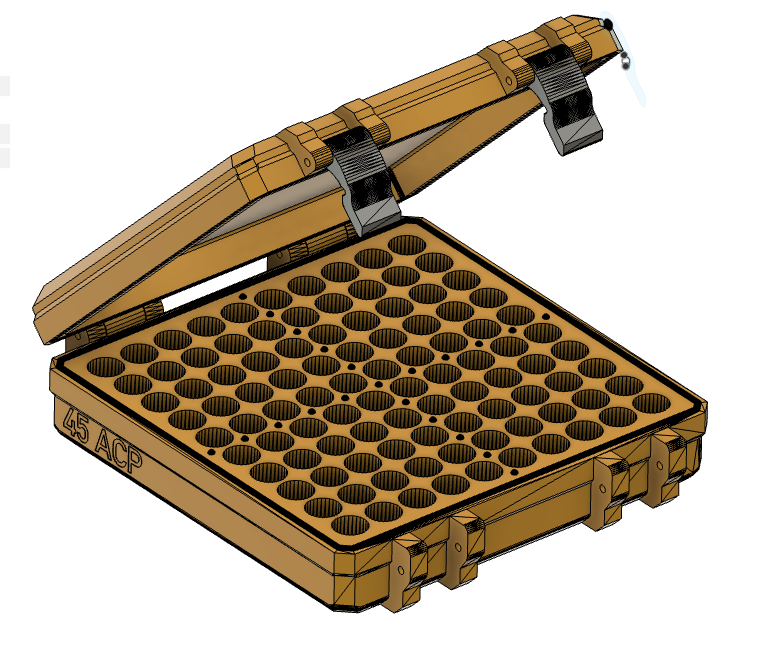
Verifying Headstamp Consistency and Lot Numbers for Match-Grade Accuracy
When you’re buying bulk ammo for precision work, don’t just glance at the box—check that every single cartridge shares the **same headstamp and lot number**. Mixed lots mean subtle differences in case volume, primer sensitivity, and bullet seating, which will open up your groups faster than you can blame the wind. Ask the vendor for lot-specific info before you pay; if they can’t guarantee one lot across the whole case, consider splitting your order. Even a supposedly consistent lot can vary from the middle of the run to the end, so verify the stamp on several random boxes, not just the top layer. For match-grade accuracy, 5.56 Ammo for Sale uniformity is everything.
- Use a magnifier to confirm the headstamp—same caliber, same maker, no mixed brass.
- Check lot numbers on every box; mismatch means potential POI shift downrange.
- Request a sample from the exact lot you’ll receive, then test it at 100 yards.

How to Spot Signs of Poor Storage or Quality Control in Bulk Packs
Inspect bulk ammo for poor storage indicators before purchase. Look for green oxidation on brass cases, which signals prolonged moisture exposure that can cause case seizure or pressure spikes. Check for dented, rusted, or corroded primers, as these often indicate rough handling or chemical degradation. Pull a few random rounds and weigh them; significant variance suggests inconsistent powder charges from lax QC. Shake cartridges—loose powder sounds specialty sports & supply or rattling bullets mean crimp failure. Examine factory seal integrity: torn boxes, re-taped bundles, or missing lot numbers point to repackaged or possibly tumbled surplus.
- Spot dark tarnishing inside primer pockets, indicating poor cleaning.
- Verify uniform rim thickness on rimfire rounds.
- Reject any pack with mixed headstamps or dissimilar bullet seating depths.
Finally, press rounds against a flat surface; very uneven cartridge lengths reveal rushed manufacturing, risking feed jams.
Best Calibers and Load Types for Stockpiling in Bulk
For bulk ammunition stockpiling, 9mm Luger and .223 Remington/5.56 NATO are the top calibers due to availability and storage efficiency. Stick with full metal jacket (FMJ) for range practice—it’s cheap and feeds reliably in almost any firearm. For defensive stockpiles, choose jacketed hollow points (JHP) in 9mm, but store them separately since they cost more. In .223, prioritize 55-grain FMJ boat-tail loads for general use; they cycle well in AR-15s and offer decent terminal performance. Avoid heavy subsonic loads or exotic calibers like 6.5 Creedmoor for bulk—they eat up space and money without practical advantage. A good rule: buy 2,000 rounds of 9mm FMJ for every 1,000 rounds of .223 FMJ, then add a small JHP .17 HMR Ammo for Sale reserve. This mix maximizes training value and real-world versatility.
Choosing Between Full Metal Jacket, Hollow Points, and Training Rounds for Volume Buys
For bulk ammunition stockpiling, prioritize full metal jacket (FMJ) rounds for the majority of your volume because they offer the lowest cost per round and reliable feeding in semi-automatic platforms, making them ideal for high-volume practice and zeroing. Reserve hollow points (HP) strictly for defensive loads; buy these in smaller, rotated batches to verify function in your specific firearm, but never as your primary bulk quantity due to higher expense and potential feed issues in some magazines. Training rounds, such as frangible or reduced-recoil loads, should be purchased only when your range mandates them, as their specialized construction adds cost without extending your general-purpose reserve. Allocate roughly 80% of your budget to FMJ, 15% to defensive HP, and 5% to specialty training rounds, adjusting only for documented firearm preferences.
For volume buys, FMJ maximizes round count per dollar for practice, HP should remain a small defensive niche, and training rounds only justify a .17 WSM Ammo for Sale tiny purchase share when required by range rules.
Why 9mm, .223, and 5.56 Dominate Bulk Orders—and When to Consider Alternatives
9mm, .223, and 5.56 dominate bulk orders because they offer the best balance of cost-per-round, availability, and proven performance for high-volume shooting. Their widespread military and civilian adoption ensures massive manufacturing output, keeping prices lower than niche calibers. For defensive stockpiling, these cartridges deliver reliable terminal ballistics in compact platforms, making them the default choice for sustained practice and preparedness. However, consider alternatives when your primary rifle is chambered for .308 or .300 Blackout, or if you hunt large game where energy transfer matters more than round count. Similarly, if you own only a .22 LR for training, stockpiling that caliber makes more sense than forcing a centerfire purchase. Match your stash to your actual firearms, not trends.
- 9mm maximizes handgun magazine capacity while minimizing recoil for faster Ammo Cans & Storage for Sale follow-up shots.
- .223/5.56 offers flat trajectory and low weight, letting you carry more rounds for 5.7x28mm Ammo for Sale the same bulk.
- Switch to .300 Blackout or .308 when you need superior barrier penetration or longer-range energy.
- Stockpile .22 LR if rimfire training is your primary use, to cut costs dramatically.
How to Properly Store a Large Quantity of Cartridges
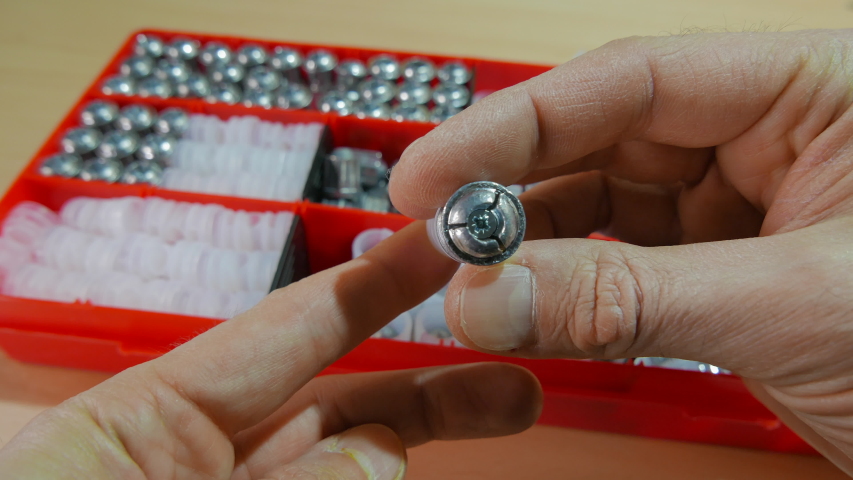
For bulk ammunition, resist the urge to leave loose rounds jumbled in a tub—friction damages the coating and powder. Keep cartridges in their original factory boxes or ammo cans, stacked so the weight doesn’t crush the lower layers. Cardboard boxes breathe, but for long-term storage, use sealed, desiccant-packed cans to keep humidity out. Store them off the concrete floor, on a shelf, to avoid moisture wicking. Avoid temperature swings; a consistent, cool, dry closet is better than a garage. Rotate your stock, using the oldest rounds first. Finally, label each can with the load and date so you never break the seal to check—this is the core of properly storing a large quantity of cartridges.
Controlling Temperature and Humidity Without Expensive Equipment
For bulk ammunition, you don’t need a climate-controlled vault. Passive desiccant and airflow management keep primers and powder stable on a budget. Place sealed ammo cans on wooden pallets or shelves—never directly on concrete, which wicks moisture. Add rechargeable silica gel canisters inside each can, checking them monthly. To control humidity without a dehumidifier, use a large plastic tote with a tight lid, a layer of desiccant beads beneath a perforated false floor, and a cheap analog hygrometer to verify conditions stay below 40% RH. Vent the room briefly on dry days, and always let cans acclimate overnight before opening.
- Rotate included desiccant packs in a warm oven to recharge them.
- Use unscented kitty litter (pure silica) as a low-cost bulk desiccant.
- Seal each can with a fresh rubber gasket to lock out humid air.

Rotating Your Stockpile to Keep Older Rounds Usable and Reliable
Rotating your stockpile is the simplest way to ensure older rounds stay reliable when you finally need them. Treat your ammo like a pantry: pull from the back, use the oldest boxes first, and then 7.62x54R Ammo for Sale replace them with fresh purchases. A common method is the “first in, first out” rule—write the purchase date on each can or case with a sharpie so you instantly know what’s aging. Every few months, physically shuffle the containers so the newest stuff sits at the back, forcing you to grab the dated batches for range trips. This prevents moisture and seal degradation from ever turning a sealed box into a dud factory. Even perfect storage can’t stop time, so active rotation is your only defense against corrosion or primer breakdown.
Rotate your stockpile by using the oldest rounds first and replenishing from the back, ensuring every cartridge stays fresh and fireable.
Managing the Weight and Handling of a Bulk Crate
Managing the weight of a bulk ammunition crate demands a two-person lift for anything exceeding fifty pounds, as the dense lead core of rounds makes even a “compact” case deceptive. Before you grip, check the crate’s center of gravity—ammo shifts during transit, so secure the load with a tight strap against your chest, not arms extended. Roll the crate on its edge using a pry bar dolly for short distances to spare your spine, and always lower it onto a thick rubber mat to absorb shock that could deform brass casings. When stacking, place heavier 5.56 or 9mm crates at the bottom and distribute the weight evenly across the pallet to prevent crushing lower boxes. Gloves with textured palms are non-negotiable, as loose primer dust makes metal handles slick, and never twist your torso while pivoting—turn your whole body to avoid a herniated disc that would leave 2,000 rounds sitting undelivered.
Best Ways to Break Down a 1,000-Round Case for Range Trips
Skip wrestling the sealed 1,000-round case at the trunk. First, slit the outer carton’s taped seam, but leave the inner tray intact—this keeps 100-round boxes stable for lifting. Pull out five boxes at a time into a dedicated steel ammo can, using 50-round plastic trays as modular dividers. For a range day, portion 200–300 rounds into two lightweight 30-caliber cans, topping each with a desiccant pack. This prevents unloading the entire heavy crate mid-session and keeps your bag balanced. Reuse the original cardboard dividers as spacers when restocking partial boxes. The key is portable modular ammo organization, letting you grab one can per shooting station.
Break down 1,000 rounds by decanting into multiple 200–300 round ammo cans, using original trays for stability, ensuring weight 7mm PRC Ammo for Sale is split and range-ready.
Using Ammo Cans, Repackaging Kits, and Labels for Efficient Access
Breaking down a bulk crate into reusable ammo cans transforms unwieldy weight into manageable 30–50 lb loads, preserving your back and speeding range access. A repackaging kit—typically a funnel, a measured scoop, and a desiccant pouch—allows you to portion loose rounds without spilling or double-handling. Label each can’s lid immediately with caliber, grain weight, and lot number using a permanent marker or adhesive tag; this eliminates the guesswork of opening multiple containers mid-session. Stack labeled cans by frequency of use, placing fast-depleting loads on top. This system cuts retrieval time by over half, as you grab one verified can instead of rummaging through a 1,500-round crate.
Q: What is the most efficient way to label ammo cans after repackaging?
A: Apply a waterproof, peel-resistant label on both the lid and the front face, listing caliber, bullet type, and the original crate’s lot number. This dual placement ensures visibility whether the can is stacked or carried, and lets you rotate stock by lot without opening each container.
Common Mistakes to Avoid When You First Buy in Bulk
When first buying bulk ammunition, the most common mistake is assuming all “bulk” packaging is identical, leading to overpaying for low-grade remanufactured rounds instead of consistent factory new loads. Another frequent error is ignoring your firearm’s specific cartridge and grain weight requirements; a great price on 115-grain ammo does you no good if your pistol prefers 124-grain for reliable cycling. Buyers also forget to check the primer type—stockpiling only brass-cased ammo might leave you with compatibility issues if you later purchase a firearm with a firing pin sensitive to hard primers. Failing to rotate your stock is a silent money-waster, as old ammo can accumulate moisture and corrosion if stored improperly. Always verify lot numbers for consistent performance across your entire stash, because mixed lots can cause unpredictable point-of-impact shifts. Buying purely by price per round often ignores shipping costs and hazmat fees that quietly erase your savings.
Overlooking Recoil Differences in Rounds From the Same Lot
When you buy bulk ammunition, assuming every round in a single lot performs identically can mask subtle variations in powder charge weight or primer sensitivity. These differences manifest as slight, yet perceptible, shifts in recoil impulse—a sharper snap versus a softer push—even between consecutive rounds. Overlooking these recoil inconsistencies within a lot skews your sight picture analysis and complicates load development, as your groups become a composite of mixed impulses. For precision work, you 7.62×51 Ammo for Sale must fire a few rounds to sense the baseline feel, then discard any outlier-feeling cartridges rather than integrating them into your data. This awareness prevents you from chasing accuracy issues caused not by your shooting form, but by hidden variability in the ammunition itself.
Ignoring Magazine Spring Fatigue When Loading Large Quantities at Once
When you buy bulk ammunition, the urge to load every magazine to capacity immediately is a direct path to premature magazine spring fatigue. Compressing a spring to its maximum limit for extended storage—especially with heavy 5.56 or 9mm rounds—exceeds the metal’s elastic limit, reducing its return force. Consequently, the follower fails to push the final cartridges upward, causing misfeeds at the range. Instead of pre-loading dozens 7.62×39 Ammo for Sale of mags at once, rotate your loaded inventory every few weeks. Alternatively, download each magazine by two rounds; this slight tension reduction preserves spring life without sacrificing practical readiness. Remember that a magazine left fully compressed for months is a disposable part, not a storage container.
Loading all your magazines to full capacity at once from a bulk purchase locks in spring fatigue, causing feed failures; store them partially loaded or rotate them regularly to maintain reliable function.
